Your Cart is Empty

Winter Lotion 101: How to Actually Keep Your Skin Hydrated When It’s Freezing Outside


Blog – Lotion Deep Dive
Winter Lotion 101: How to Actually Keep Your Skin Hydrated When It’s Freezing Outside
Winter brings cozy sweaters, hot cocoa, and the undeniable urge to take a steamy shower for far too long. Unfortunately, it also brings dry, itchy skin that can feel tight, flaky, and downright uncomfortable. If you’ve ever wondered why your usual lotion suddenly isn’t cutting it once the temperature drops, you’re not imagining things, and your skin isn’t broken.
If you’ve already read Ditch the Itch of Winter Skin, you know winter is rough on skin in general. This post is the deeper conversation - the one where we talk specifically about lotion, why it matters so much in winter, and how to use it in a way that keeps your skin hydrated instead of temporarily slippery.
Why Winter Skin Is So Hard to Keep Hydrated
Your skin has a natural protective barrier, and the easiest way to understand it is to picture a brick wall.
The skin cells are the bricks.
The oils and moisture that hold everything together are the mortar.
When that wall is strong, moisture stays in and irritants stay out. In warmer, more humid months, the environment helps support that mortar. In winter? Not so much.
Cold outdoor air holds very little moisture, and indoor heating dries the air even further. Long, hot showers wash away natural oils. Frequent handwashing and heavier clothing create friction on already stressed skin. All of it chips away at the mortar holding your skin barrier together, leaving gaps where moisture can escape.
That tight, itchy, uncomfortable feeling isn’t just dryness - it’s your skin barrier weakening and struggling to do its job.
This is why winter skincare requires more than just “putting on lotion when you remember.” Hydration needs to be intentional, and lotion has to do more than sit on the surface. It needs to help rebuild and protect that brick wall.
If your skin feels uncomfortable all winter long, the problem isn’t effort—it’s strategy.
What Lotion Actually Does (And Why It Matters in Winter)
Lotion isn’t just there to make your skin feel soft for a few minutes. A good lotion supports your skin barrier in three important ways: it attracts moisture to the skin, smooths rough or damaged areas, and helps seal hydration in so it doesn’t immediately evaporate.
In winter, your skin needs all three of those functions working together. A lightweight summer lotion that feels great in July may simply not have enough staying power when the humidity drops and the heat kicks on. That’s why many people feel like they’re constantly reapplying lotion in winter without ever feeling truly moisturized.
If lotion “isn’t working,” it’s usually because it’s not formulated for winter conditions.
Why Some Lotions Work Better Than Others in Cold Weather
One of the biggest differences between an okay lotion and a great winter lotion comes down to ingredients. Winter skin needs formulas that include a balance of water-attracting ingredients and richer oils or butters that help reinforce the skin barrier.
Ingredients like glycerin and aloe help draw moisture into the skin, while butters such as shea, mango, or cocoa butter soften rough patches and improve elasticity. Oils and waxes help seal everything in, creating a protective layer that slows moisture loss throughout the day.
When a lotion is missing one of these elements, it may feel nice initially but fail to provide lasting comfort. This is especially noticeable in winter, when moisture loss happens quickly.
Reading ingredient lists, even briefly, can tell you more than marketing claims ever will.
Lotion, Body Butter, and Lotion Bars: Choosing What Your Skin Needs
Not all moisturizers are meant to do the same job, and winter is often when people benefit from using more than one type.
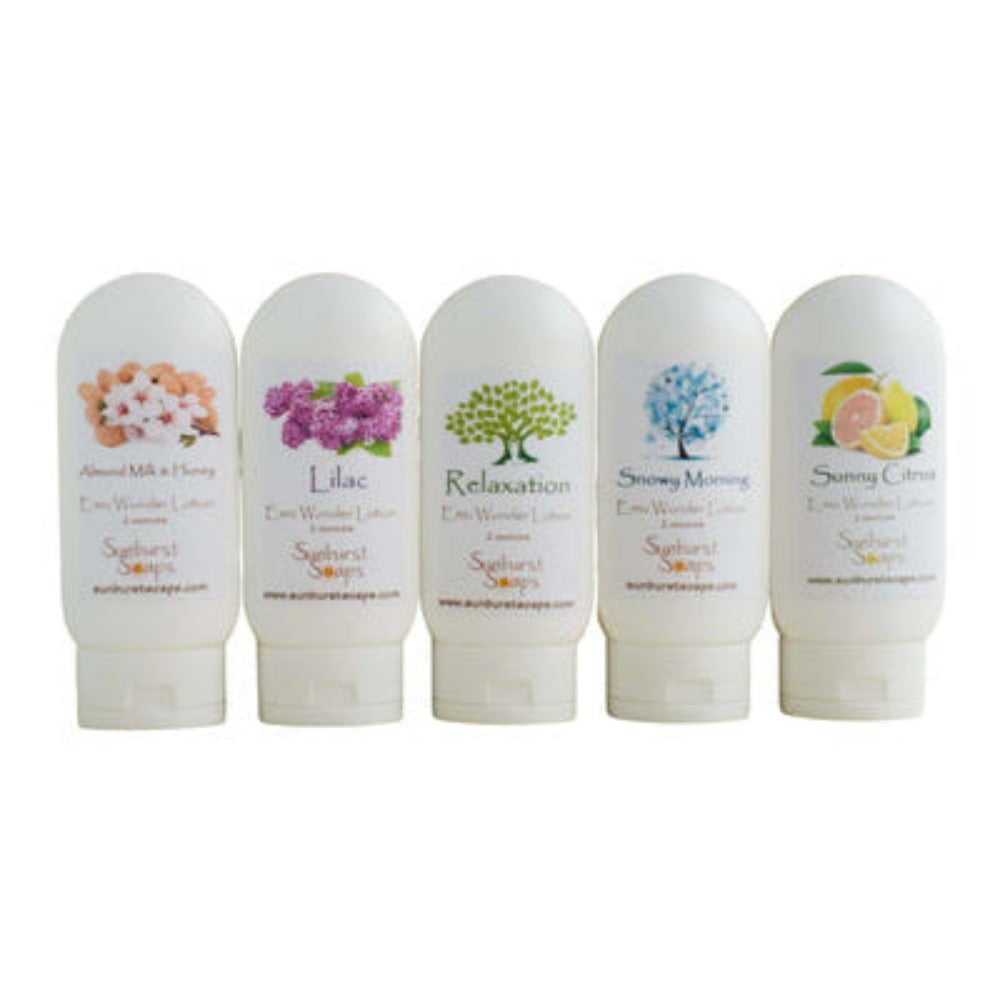
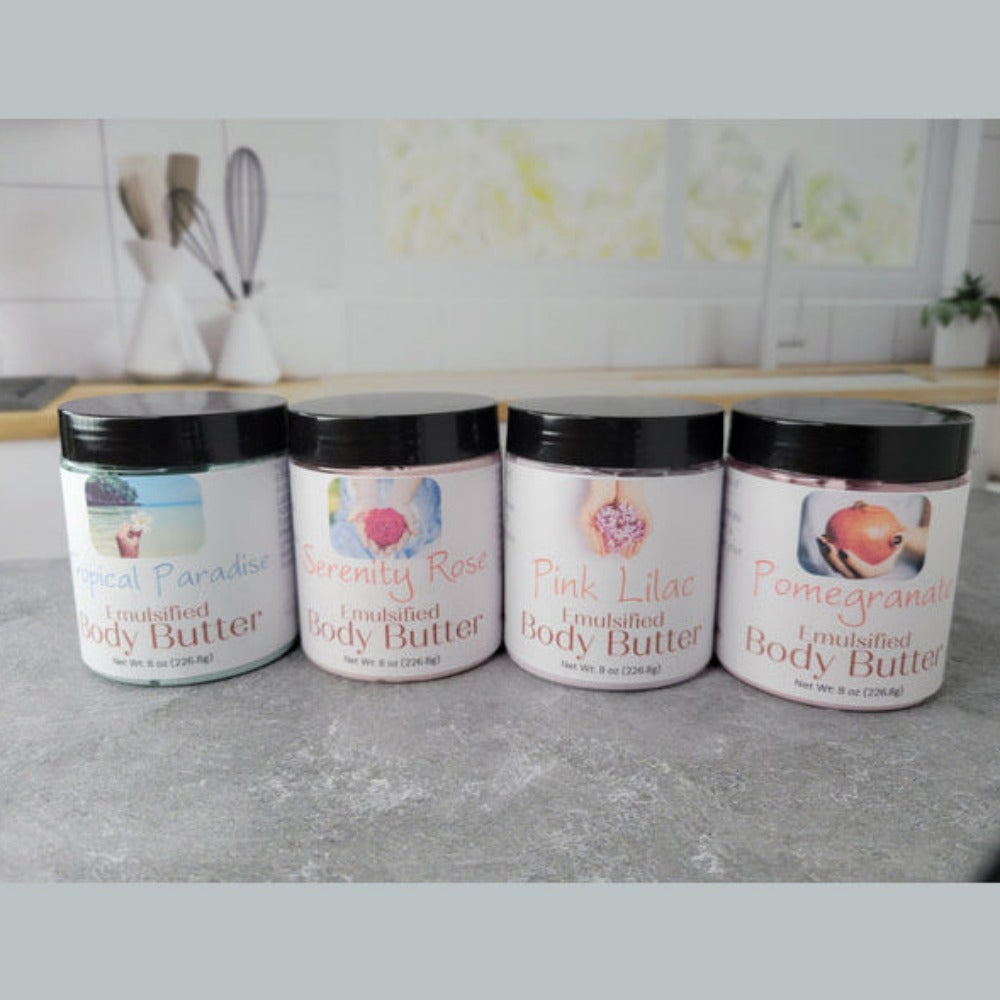
Lotion is typically water-based and absorbs quickly, making it ideal for daytime use or for areas like hands and arms that need frequent reapplication. Body butter is thicker and more concentrated, offering deeper hydration that lasts longer—especially helpful at night or on very dry areas like legs and elbows. Lotion bars, which are made from solid oils and butters, provide intense moisture and protect the skin from losing that moisture. They are especially useful in very cold climates or for skin that cracks or flakes easily.
Using different products for different moments isn’t extra - it’s practical.

How to Apply Lotion So It Actually Helps
One of the most overlooked aspects of moisturizing is timing. Lotion works best when applied to slightly damp skin, ideally within a few minutes of stepping out of the shower or bath. Damp skin helps trap hydration, while completely dry skin allows moisture to evaporate before the lotion can do its job.
Another common issue is under-applying. If your skin still feels tight shortly after moisturizing, it’s a sign that you either didn’t use enough product or need something richer. In winter, many people also benefit from layering—using lotion first, then sealing it in with a body butter or lotion bar at night.
How you apply lotion can matter just as much as what you’re using.
Why Winter Lotion “Stops Working” During the Day
If your skin feels dry again by lunchtime, it’s not because lotion wears off magically - it’s because winter conditions actively strip moisture throughout the day. Handwashing, cleaning, cold air exposure (because we often don’t wear gloves, mittens, etc. when we should}, and friction from clothing all contribute.
This is especially true for hands, which are frequently exposed to water and soap. Reapplying lotion after washing isn’t excessive in winter - it’s necessary.
Winter moisturizing isn’t a one-and-done situation.
Giving Extra Attention to Winter Trouble Spots
Certain areas of the body tend to struggle more in winter, particularly hands, feet, legs, and joints like elbows and knees. These areas often have fewer oil glands or experience more exposure and friction, making them more prone to dryness.
Nighttime is the best opportunity to give these areas extra care. Applying a richer product before bed allows it to work uninterrupted for hours, and simple steps like wearing socks or cotton gloves can dramatically improve results.
A little focused care can make a noticeable difference by morning.

How Often Should You Be Using Lotion in Winter?
At a minimum, applying lotion once a day after bathing is essential. For most people, twice daily works better, with additional applications for hands or other high-exposure areas. Winter skin thrives on consistency, not perfection.
Regular use beats occasional overuse every time.
The Truth About Common Lotion Myths
Many people believe that if a product tingles or burns, it must be working, or that oily skin doesn’t need lotion. In reality, stinging often indicates irritation, and even oily skin can be dehydrated - especially in winter. Fragrance-heavy products may smell nice but don’t necessarily offer better hydration, and gentle, well-formulated natural products can be just as effective as conventional ones.
Comfort is a sign of good skincare, not weakness.
A Simple, Sustainable Winter Lotion Routine
A good winter routine doesn’t need to be complicated. Moisturizing after bathing, reapplying to hands as needed, and giving extra attention to dry areas at night is usually enough to keep skin comfortable all season.
The best routine is the one you’ll actually stick to.

Final Thoughts: Lotion Is Your Skin’s Winter Lifeline
Dry winter skin doesn’t have to be something you endure every year. With the right lotion, thoughtful application, and realistic expectations, your skin can stay soft, comfortable, and healthy - even when the weather outside is doing its worst.
Winter may be inevitable, but itchy, winter dry skin doesn’t have to be.
Leave a comment
Comments will be approved before showing up.